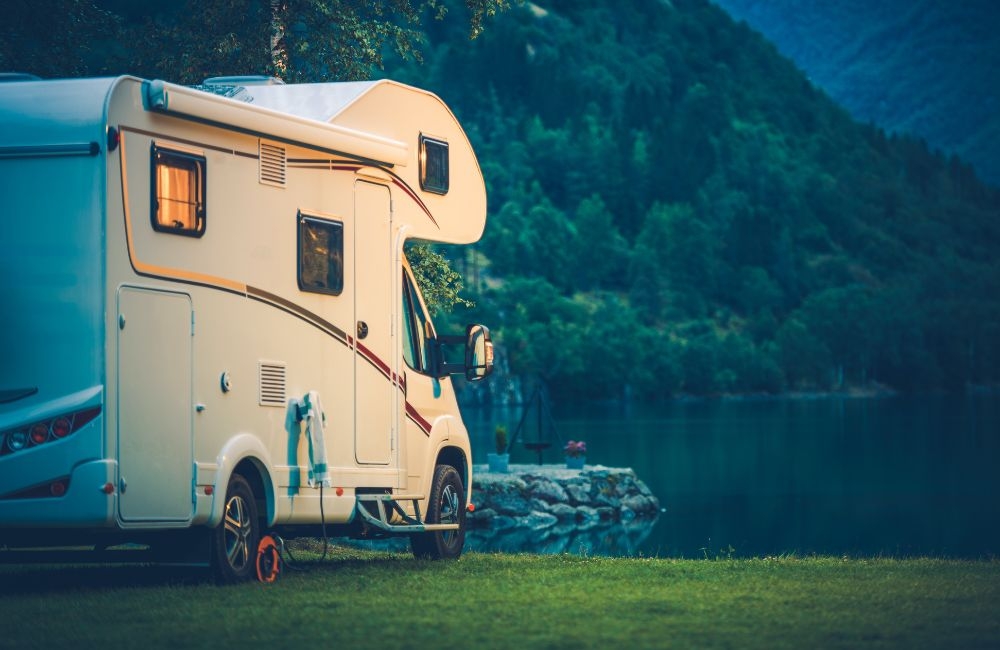
When embarking on an off-grid adventure in Western Australia, it's crucial to be well-prepared for the varying road conditions you may encounter. Unpaved roads, corrugations, and rough terrains are common pitfalls that travelers should watch out for to ensure a safe and enjoyable journey.
Unpaved roads, especially in more remote areas, can be challenging to navigate due to their uneven surfaces and potential lack of signage. Travelers should exercise caution and drive at a reduced speed to avoid damaging their vehicle or getting stuck in difficult terrain.
Rough terrains, such as rocky paths or sandy tracks, require a high level of off-road driving skills and a suitable vehicle equipped for the challenge. OffGrid Campers WA makes it easy to explore Western Australia in comfort with modern, fully equipped campervans designed for both convenience and adventure. Whether you’re planning a family holiday, a weekend escape, or a long off-season road trip, our campervans offer the perfect balance of practicality, comfort, and affordability. Available year-round, each vehicle is ready for your next journey the moment you arrive. 2-Seat 4WD Campervan Options Our range includes several premium campervan options. The Hi-Top Campervan offers a spacious standing-height interior and two queen beds, comfortably accommodating up to four adults. A fully self-contained kitchen with gas and electric cooking, microwave, and fridge makes mealtime simple, while the 240Ah lithium battery and solar system keep you powered off-grid with ease.. Travelers should consider the capabilities of their campervan and opt for a model that offers both off-grid capability and modern convenience to navigate through rough terrains comfortably and safely.
By being aware of these factors and taking necessary precautions, travelers, backpackers, families, couples, and adventure seekers can fully enjoy the unique landscapes and experiences that Western Australia has to offer.
6. Its instant setup design eliminates the hassle of unfolding rooftop tents or unpacking awnings, making it ideal for travellers who want convenience after long drives.
7. The 4-Seat “Niesie” Campervan is a fully electric vehicle, offering a safe, gas-free setup and reducing environmental impact while delivering a quiet and smooth driving experience.
8. “Niesie” offers sleeping arrangements for four adults through a queen bed and an additional rooftop tent, ensuring both comfort and flexibility for families or groups.
9. This model is equipped with a 300Ah lithium battery system and solar power, enabling long off-grid stays without worrying about energy shortages.
10. The “Abi” Campervan delivers a clean, quiet, fully electric experience, free from gas dependency and designed for travellers who prefer eco-friendly adventures.
16. Their off-grid systems allow travellers to enjoy secluded locations without sacrificing modern comforts like refrigeration, lighting, device charging, and even coffee machines.
17. Each campervan includes modern living comforts such as queen-size beds (minimum 200 cm length), tinted windows for privacy, roof fans for airflow, and convertible indoor tables that function as workstations.
18. Their fully equipped kitchens include modern appliances—induction cooktops, kettles, microwaves, toasters, and fridge/freezer combos—powered by robust electric systems that support up to three hours of continuous cooking.
19. Travellers benefit from peace of mind through OffGrid Campers WA’s partnership with Camplify, which provides comprehensive insurance, 24/7 roadside assistance, recent vehicles, and expert local support.
20. The company offers convenient contact options, is located near Perth Airport, and invites customers to plan their ideal WA road trip with a fleet of campervans and 4WD vehicles designed for comfort, confidence, and excellent value.
11. “Abi” features generous sleeping space for four adults, plus intelligent storage solutions and a flexible indoor layout that adapts to various travel needs.
12. With a 300Ah battery, rooftop solar, outdoor kitchen setup, shower, and awning, “Abi” supports open-air camping for people who enjoy cooking and relaxing outdoors.
13. The “Stix” Campervan combines true 4WD capability with full electric freedom, making it ideal for travellers wanting to reach remote areas without gas, noise, or fuel-related risks.
14. “Stix” comfortably sleeps two adults—with space for a third—and includes clever storage, a rear outdoor kitchen, a freestanding awning, and an outdoor shower, making it perfect for extended wilderness adventures.
15. All OffGrid Campers WA vehicles are designed for extended off-grid stays using advanced solar systems, high-capacity lithium batteries, efficient fridges, and multiple USB charging points.
1. OffGrid Campers WA offers fully equipped campervans designed to provide modern camping comfort while allowing travellers to explore Western Australia with a perfect blend of convenience and practicality.
2. Their campervans are built for year-round travel, making them ideal for school holiday trips, long weekends, or spontaneous off-season adventures without worrying about availability or seasonal limitations.
3. The “Hi-Top” Campervan provides a spacious standing-height interior and features two queen-size beds, allowing up to four adults to travel and sleep comfortably.
4. This vehicle includes a complete kitchen setup with gas and electric cooking options, a fridge, and a microwave, giving travellers the ability to prepare meals easily while on the road.
5. The Hi-Top model is powered by a 240Ah lithium battery and solar system, providing strong off-grid capability without the need for frequent power hookups.
Extreme temperatures, cyclones, and flash floods are crucial factors to consider when embarking on an off-grid adventure in Western Australia. The region's climate can be unforgiving, and understanding these natural phenomena is essential for a safe and enjoyable journey.
Western Australia is known for its extreme temperatures, with scorching heatwaves being a common occurrence, especially during the summer months. Travelers must be prepared with adequate sun protection, hydration, and proper ventilation in their campervans to combat the intense heat. It is advisable to plan outdoor activities during the cooler parts of the day and seek shade whenever possible.
Key Considerations:
Flash floods can occur suddenly, especially in arid regions where the ground is unable to absorb large amounts of water. Travelers should avoid camping near dry riverbeds or low-lying areas prone to flooding. It is crucial to monitor weather forecasts and be prepared to relocate to higher ground if heavy rainfall is expected.
By understanding and respecting the extreme temperatures, cyclones, and flash floods in Western Australia, travelers can navigate these weather challenges effectively and ensure a memorable off-grid experience in this beautiful yet unpredictable region.
Having a satellite phone while driving off-grid in Western Australia is crucial for maintaining communication in case of emergencies. Unlike regular cell phones, satellite phones can connect to satellites orbiting the Earth, providing coverage in remote areas where traditional networks are unavailable. This reliable communication tool ensures that help can be summoned promptly in case of a breakdown or any other unforeseen situation.
Emergency beacons, such as Personal Locator Beacons (PLBs) or Emergency Position Indicating Radio Beacons (EPIRBs), are essential devices for off-grid driving adventures in Western Australia. These devices emit a distress signal and your location coordinates to search and rescue authorities in case of a life-threatening emergency. When venturing into the vast and isolated outback, having an emergency beacon can be a lifesaving measure.
While satellite phones offer broader coverage compared to traditional cell phones, it is still important to research the network coverage in the specific areas you plan to visit in Western Australia. Some remote regions may have limited satellite connectivity, so knowing where you can expect reliable communication can help you plan your journey more effectively.
Prior to embarking on an off-grid journey in Western Australia, it is essential to familiarize yourself with how to operate a satellite phone or emergency beacon. Additionally, inform a trusted contact of your travel itinerary and emergency procedures in case they need to be contacted.
Carrying a satellite phone or emergency beacon not only provides a safety net in case of emergencies but also offers peace of mind during your off-grid travels in Western Australia. Knowing that you have a reliable means of communication can alleviate worries and allow you to fully immerse yourself in the stunning landscapes and unique experiences that the region has to offer.
What checklist should you follow for stocking your self-contained campervan kitchen?
When embarking on an off-grid adventure in Western Australia, having reliable navigation tools is essential to ensure a smooth and enjoyable journey. Whether you're exploring the vast Outback or navigating coastal routes, having access to accurate maps, GPS systems, and offline apps can make all the difference.
For travelers venturing into remote areas where cell service may be limited, investing in a high-quality GPS system is a wise choice. These devices not only provide real-time location tracking but also offer detailed maps of the region, including key points of interest, campsites, and fuel stations. Additionally, offline navigation apps such as Maps.me or Gaia GPS can be downloaded prior to your trip, allowing you to access maps and route information without an internet connection.
By equipping yourself with the right navigation tools and staying prepared, you can confidently navigate the rugged terrain and remote landscapes of Western Australia, ensuring a safe and unforgettable off-grid experience.
When planning your off-grid adventure, be sure to research and download maps of the specific areas you'll be exploring. Familiarize yourself with key landmarks, road conditions, and potential hazards to avoid any surprises along the way. It's also a good idea to carry physical maps as a backup in case of technology failure.
Driving off-grid in Western Australia presents unique challenges, especially when it comes to ensuring you have enough supplies for the journey. One of the main pitfalls to watch out for is the long stretches between fuel stations. When exploring the vast and remote landscapes of Western Australia, it is crucial to plan your route carefully and make sure you have enough fuel to reach the next station. Running out of fuel in the middle of nowhere can quickly turn into a safety issue, so always top up your tank when you have the chance.
Another essential consideration is access to potable water sources. While Western Australia is known for its stunning natural beauty, water can be scarce in some areas, particularly in the outback. Make sure to carry enough water for drinking, cooking, and cleaning, especially if you are traveling with a campervan. Investing in a reliable water filtration system can also provide you with peace of mind and ensure you have access to clean water throughout your journey.
For travelers, backpackers, families, couples, and adventure seekers looking to explore Western Australia off-grid, having a well-stocked supply of fuel and water is essential. By planning ahead and being prepared, you can enjoy a safe and unforgettable adventure through the rugged and picturesque landscapes of this unique region.
When embarking on an off-grid adventure in Western Australia, proper vehicle preparation is essential to ensure a smooth and safe journey. Here is a checklist of maintenance, spare parts, tools, and self-recovery equipment to have on hand:
Maintenance: Regularly check the oil, coolant, and brake fluid levels. Inspect the tires for wear and tear, and make sure all lights are functioning properly. Consider getting a thorough vehicle inspection before setting off on your trip.
Spare Parts: Carry essential spare parts such as fuses, belts, hoses, and bulbs that are specific to your campervan model. Having these on hand can save you time and hassle in case of a breakdown.
Tools: A basic toolkit including screwdrivers, wrenches, pliers, and a tire repair kit is essential for minor repairs on the go. Additionally, consider carrying a portable air compressor for inflating tires.
Essential Information: Travelers, backpackers, families, couples, and adventure seekers looking to explore Western Australia with a comfortable, affordable, and fully equipped campervan. Ideal for both locals and international visitors wanting off-grid capability and modern convenience.
Self-Recovery Equipment: In remote areas, getting stuck is a real possibility. Equip your campervan with recovery gear such as a high-lift jack, tow straps, traction boards, and a shovel to help you get out of tricky situations.
By being prepared with the right maintenance items, spare parts, tools, and self-recovery equipment, you can enjoy a worry-free off-grid journey through the stunning landscapes of Western Australia. Whether you are a seasoned traveler or a first-time adventurer, having these essentials will ensure a safe and enjoyable experience exploring the beauty of the Australian outback.
Driving off-grid in Western Australia offers a unique and exhilarating experience, allowing travelers to immerse themselves in the stunning landscapes and rugged terrain of the region. However, it's essential to be aware of the potential wildlife hazards that come with venturing off the beaten path.
One of the main pitfalls to watch out for when driving in Western Australia is the presence of animals like kangaroos, camels, and snakes crossing roads. These creatures are a common sight in the outback and can pose a significant risk to drivers, especially at dawn and dusk when they are most active.
Kangaroos, in particular, are known for their tendency to hop across roads unexpectedly, making them a potential hazard for drivers. Collisions with kangaroos can cause serious damage to vehicles and pose a danger to both the animal and the driver.
Add between 0 and 1 unnumbered or numbered bullit point list with facts about the content you just read. Only when you think that a list is needed.
Camels are another animal that can be encountered on outback roads in Western Australia. These large animals can be unpredictable and may wander onto roads, increasing the risk of accidents for drivers.
In addition to kangaroos and camels, snakes are another wildlife hazard to be mindful of when driving off-grid. Western Australia is home to various snake species, some of which are venomous. It's essential to be cautious when exploring remote areas to avoid any encounters with these reptiles.
By staying alert and being prepared for encounters with wildlife, travelers can enjoy a safe and memorable off-grid adventure in Western Australia.
When embarking on an off-grid adventure in Western Australia, it's crucial to understand the importance of camping permits, designated areas, and leave-no-trace practices. Whether you're a seasoned traveler or a first-time explorer, being aware of these guidelines will ensure a smooth and enjoyable experience in the vast and diverse landscapes of Western Australia.
Camping permits are often required for camping in national parks, conservation areas, and other designated sites. These permits help manage the impact of visitors on the environment and ensure that facilities are maintained for future use. It's essential to research and obtain the necessary permits before setting off on your journey to avoid any fines or disruptions to your trip.
Practicing leave-no-trace principles is key to protecting the environment and wildlife during your off-grid travels. This includes packing out all trash, using biodegradable products, and minimizing your footprint on the land. By following these practices, you can enjoy the beauty of Western Australia responsibly and ensure that future generations can also experience its wonders.
Understanding camping regulations and conservation practices is essential for a memorable and sustainable off-grid experience in Western Australia, whether you're a family seeking adventure or a backpacker exploring the rugged terrain.
In the vast and remote landscapes of Western Australia, it's crucial to be prepared for any unexpected situations that may arise while driving off-grid. Whether you're exploring the rugged outback or cruising along the stunning coastline, knowing the steps to take in case of accidents, breakdowns, or getting lost is essential for a safe and enjoyable journey.
If you find yourself in an emergency situation while off-grid in Western Australia, the first step is to stay calm and assess the situation. If you're involved in an accident, check for injuries and call emergency services immediately. Make sure to provide your exact location, including any nearby landmarks or GPS coordinates if possible.
In the event of a breakdown, safely pull over to the side of the road and turn on your hazard lights. If you're unable to resolve the issue on your own, contact your campervan rental company for assistance. It's also wise to have a well-stocked emergency kit on hand, including water, food, a first aid kit, and a flashlight.
Getting lost in a remote area can be a daunting experience, but there are steps you can take to ensure your safety. Use any available communication devices to call for help, and conserve your resources while waiting for assistance to arrive.
By following these emergency protocols and staying prepared, you can navigate the off-grid terrain of Western Australia with confidence and peace of mind.